Philadelphia Electrical Contractor for Wiring Repairs and Upgrades
Professional Electrical Contractor for Reliable Installations and Repairs
Throughout the sector of electrical work, a qualified contractor takes a central role in ensuring both sound installations and repairs. Their competence not only guarantees observance to safety standards but also fosters a sense of trust with clients. By evaluating fundamental qualities, such as experience and dialogue skills, one can identify the right professional for the job. Understanding these factors can greatly impact the success of any electrical project, prompting further exploration into the selection process.
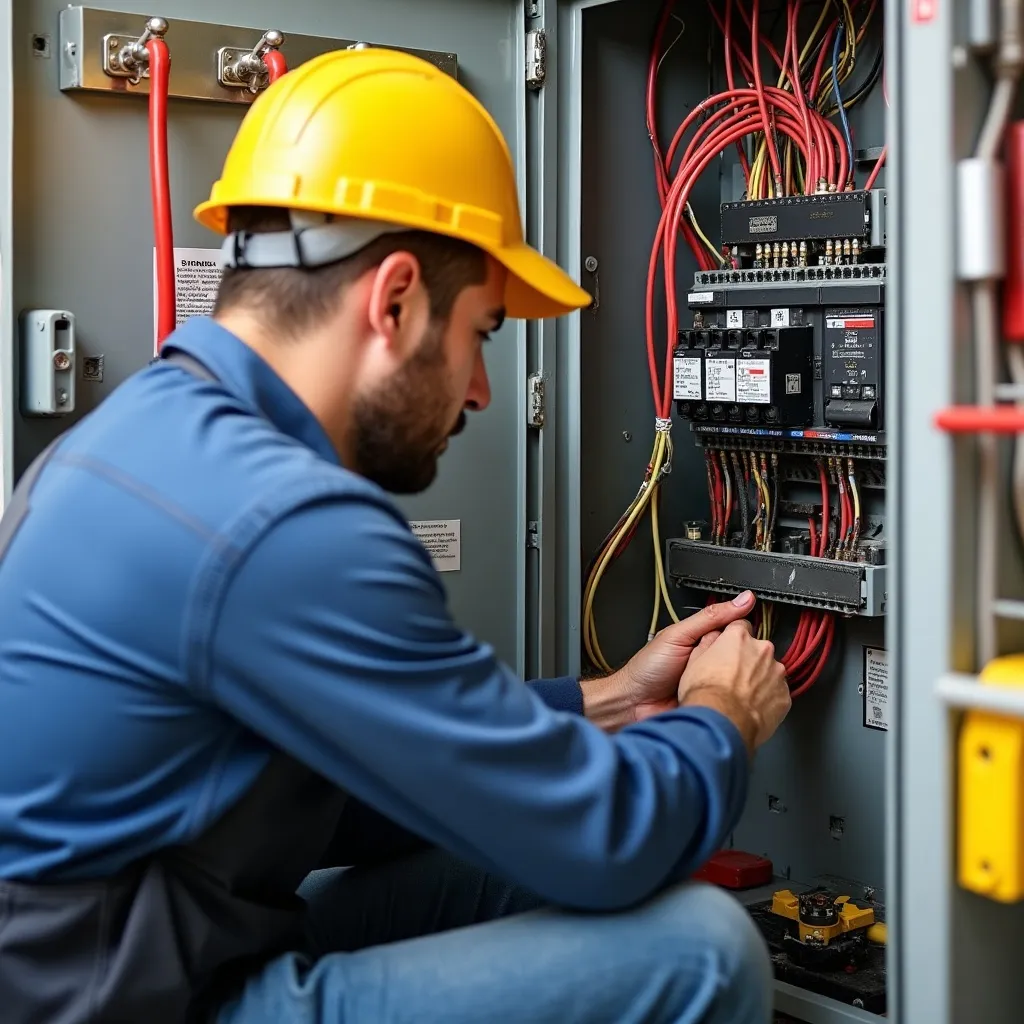
Important Traits of a Credible Electrical Contractor
When assessing an electrician, it is important to establish the essential qualities that lead to trustworthiness. A dependable contractor must exhibit valid credentials and protection, guaranteeing adherence to local regulations and protection from potential liabilities. Experience in the industry is another crucial factor; veteran professionals are more competent in addressing various electrical issues and understanding complex systems.
Additionally, advanced interaction skills are vital, helping contractors to clarify processes and tackle customer issues distinctly. A dependable contractor also demonstrates honesty, delivering straightforward estimates and circumventing undeclared fees. Moreover, favorable testimonials and customer recommendations can act as signs of trustworthiness and superior workmanship. Finally, a commitment to lifelong learning reflects a contractor's commitment to remaining informed about professional standards and innovative technologies, which is critical for supplying trustworthy and competent electrical services. These qualities collectively form the foundation of a trustworthy electrical contractor.
How to confirm if Your Electrician Is competent?
Validating an electrician's qualifications is an essential step in ensuring quality and protection in electrical work. First, clients should ask to view the electrical contractor's certification, which shows they adhere to local and state requirements. Confirming protection is equally vital, as it protects homeowners from liability in the event of mishaps. Moreover, seeking certifications from reputable organizations can reveal advanced training and knowledge.
Homeowners can also ask about the electrician's background in specific types of electrical work relevant to their needs. Reading reviews and testimonials from past customers offers insights into the technician's dependability and professionalism. Moreover, open discussion can demonstrate the electrician's ability to explain their credentials and methodology to the job. By following this process, homeowners can ensure they employ a qualified electrician able to provide safe and effective electrical services.
Why Proficiency Counts for Electrical Contractors
Experience is critical in the success of electrical contractors. A proven skill set, commitment to safety compliance standards, and strong problem-solving expertise are all hallmarks of seasoned professionals. These attributes don’t just enhance the quality of work but also guarantee a safer environment for clients.
Demonstrated Capabilities
An adept electrical contractor contributes considerable proficiency that substantially impacts the quality and safety of electrical undertakings. Their proven competency base encompasses an variety of range of competencies, including troubleshooting, assembly, and maintenance of electrical systems. Experience facilitates them to quickly identify complications rapidly and implement productive solutions, curtailing interruptions and ensuring maximum performance. Moreover, seasoned contractors possess knowledge of the state-of-the-art breakthroughs and cutting-edge developments, facilitating them to provide state-of-the-art remedies adapted to individual patron needs. Their hands-on experience also equips them with the applied expertise vital to skillfully manage stringent regulatory frameworks and statutory requirements. At the end of the day, a seasoned electrical contractor enhances the steadiness of installations and repairs, cementing assurance and faith among end-users.
Safety Regulatory Standards
Traversing the complicated landscape of safety compliance standards requires a deep understanding and practical knowledge that only veteran electrical contractors possess. These experts are proficient in local, state, and national regulations, ensuring that all installations and repairs conform to the highest safety protocols. Their background allows them to predict potential hazards and establish preventative measures effectively. Moreover, awareness of industry standards, such as the National Electrical Code (NEC), is essential for maintaining compliance and safeguarding lives. A adept electrical contractor not only focuses on safety but also undertakes thorough inspections to identify any discrepancies. This commitment to compliance not only mitigates risks but also strengthens the longevity and reliability of electrical systems, ultimately benefiting clients and the broader community.
Troubleshooting Proficiency
Handling intricate electrical issues requires keen problem-solving skills that seasoned electrical contractors provide. Their extensive background enables them to quickly diagnose issues and implement practical solutions, reducing downtime and maintaining safety. Compared to less experienced contractors, they have dealt with a variety of situations, allowing them to foresee future obstacles before they occur. This foresight leads to smooth project execution and minimized costs for clients. Moreover, their knowledge of different systems and technologies allows them to adjust to developing industry standards efficiently. Ultimately, the problem-solving skills of qualified electrical contractors not only improve the quality of installations and repairs but also build confidence and reliability in their services. Experience is undoubtedly a valuable advantage in this profession.
Why Straightforward Price Clarity Is Necessary
Why is open pricing necessary in the electrical contracting industry? Open pricing builds confidence between service providers and customers, providing clarity in cost projections. When clients get thorough breakdowns that detail labor, materials, and possible extra costs, they can choose intelligently without the worry of hidden costs. This openness promotes a favorable association and supports repeat business.
Furthermore, clear rates enables clients to evaluate offerings effectively, allowing them to select contractors who offer fair and truthful pricing. It reduces confusion and disputes, simplifying the project flow. A respected electrical contractor who practices clear pricing shows professionalism and accountability, reinforcing their dedication to quality service. In the end, transparency in pricing not only enhances customer satisfaction but also contributes to a contractor's standing in a competitive market, leading in long-term success.
What to Anticipate During the Electric Contracting Process
During the electrical projects process, clients can look forward to a structured approach that opens with an initial consultation. This meeting gives the opportunity to the contractor to assess needs and discuss potential solutions. Following this, the repair and installation steps are executed with attention to detail and safety standards.
Initial Consultation Process
What might one expect when starting the electrical contracting procedure? The opening meeting is a essential step for both client and contractor. During this discussion, the contractor talks over the client's needs, goals, and any distinct conditions concerning the project. They will inspect the site, identifying potential challenges and opportunities. Clients should be ready to raise questions about timelines, fees, and the contractor's qualifications. The contractor typically shares insights into the latest developments and solutions that fit with the client's vision. This stage often involves detailed discussions about compliance with local rules and safety standards. Ultimately, the initial consultation sets the stage for a transparent working relationship, making certain both parties are coordinated before moving forward.
Setup and Repair Instructions
Once the first consultation is done, the installation and repair process starts with a thorough assessment of the project needs. The electrical contractor assesses existing systems, pinpoints potential issues, and formulates a plan that details necessary materials and timelines. Following this assessment, the contractor secures any required permits and licenses to confirm compliance with local regulations.
Next, the installation or repair work is accomplished, which may involve circuit installation, component placement, or equipment upgrades. Throughout the process, the contractor maintains open communication with the client to tackle any concerns. After finalization, a final inspection validates that everything meets safety standards and operates as expected. The contractor imparts knowledge on maintenance and operation, assuring the client feels confident in their electrical system.
Developing Trust With Your Electrical Contractor
Fostering reliance with an electrician is required for producing a accomplished project outcome. This relationship strengthens open interaction, enabling clients to articulate their requests and apprehensions while contractors render expert advice and transparent pricing. A contractor's credibility plays a important role; verified credentials, strong reviews, and past project endorsements can greatly determine a client's faith.
Furthermore, establishing clear expectations regarding timelines, costs, and responsibilities creates a basis of dependability. Regular updates throughout supplementary information the project can further enhance confidence, as clients feel informed and involved.
In addition, a trustworthy contractor will be transparent about potential challenges and solutions, displaying integrity and professionalism. Ultimately, developing trust not only results in better collaboration but also confirms that the electrical work is accomplished to the highest standards, ensuring safety and satisfaction for all parties involved.
Frequently Posed Inquiries
What Types of Electrical Services Do Contractors Typically Provide?
Electrical contractors generally provide services including wiring installations, circuit troubleshooting, lighting design, panel upgrades, issue resolution, and servicing. They also conduct safety inspections, energy audits, and can assist with renewable energy system installations, ensuring adherence to codes and standards.
How Should I Get Prepared for an Electrician's Appointment?
To get ready for an electrician appointment, one should clear the work area, guarantee convenient access to outlets and panels, gather relevant documents, and compile particular concerns or inquiries to go over during the appointment.
What Protective Procedures Do Electrical Contractors Adhere To?
Electrical contractors comply with strict safety measures, including such as wearing personal protective equipment, ensuring proper tool usage, complying with electrical standards, performing hazard evaluations, maintaining equipment, and applying lockout/tagout systems to avoid unintended power activation during work.
Do Electrical Contractors Have Coverage and Bonds?
Yes, electricians are usually protected and guaranteed. This assures coverage against liabilities and damages during work, giving clients with peace of mind and safeguarding both parties involved in the agreement.
What Should I Do During Electrical Emergencies?
When facing electrical emergencies, it is important to quickly turn off the power, prevent contact with water, and reach out to a licensed professional. Staying composed and safeguarding personal safety proves critical before expert support arrives on scene to tackle the issue.